

Powerline Inspection
Drones have revolutionized powerline inspection, offering significant benefits and efficiencies compared to traditional methods. Their aerial capabilities, high-resolution cameras, and thermal imaging sensors make them ideal for assessing powerline infrastructure. Here is how drones can be applied and prove beneficial in powerline inspection.
Efficient Visual Inspections
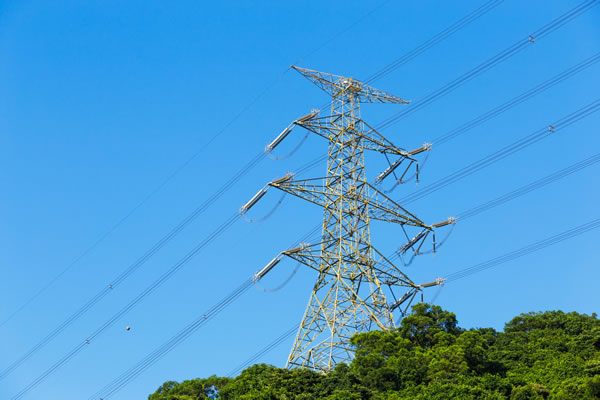
Drones equipped with high-resolution cameras can efficiently inspect powerline infrastructure, including transmission lines, towers, and substations. They provide detailed close-up views and capture high-quality imagery. Drones can quickly survey long stretches of powerlines, access difficult-to-reach areas, and identify issues such as damaged conductors, insulators, or vegetation encroachment. This helps utility companies address maintenance needs promptly and reduce the risk of outages.
Thermal Imaging and Analysis
Drones equipped with thermal cameras can detect and analyze heat signatures along powerlines. This capability is valuable for identifying hotspots caused by excessive resistance, loose connections, or faulty equipment. By capturing thermal data, drones help detect potential electrical faults that may lead to failures or fires. They also enable detailed thermal mapping that supports predictive maintenance and asset management.
Safety and Cost Efficiency
Drones improve safety and cost efficiency in powerline inspections. Traditional methods often require personnel working at heights or helicopters, which can be dangerous and expensive. By using drones, companies can significantly reduce risks to personnel and avoid costly aerial operations. Drones can be deployed quickly, inspect with minimal disruption, and generate data that supports efficient decision-making and targeted maintenance.
In summary, drones provide substantial benefits in powerline inspection. They support efficient visual inspections, hotspot detection, proactive maintenance, and safer operations while reducing time and cost. This helps utilities improve reliability and maintain uninterrupted power supply.