

Firefighting & Rescue
Drones have emerged as valuable tools in firefighting and rescue operations, offering numerous benefits in critical scenarios. Here is how drones can be applied and prove beneficial in firefighting and rescue efforts.
Aerial Assessment and Situational Awareness
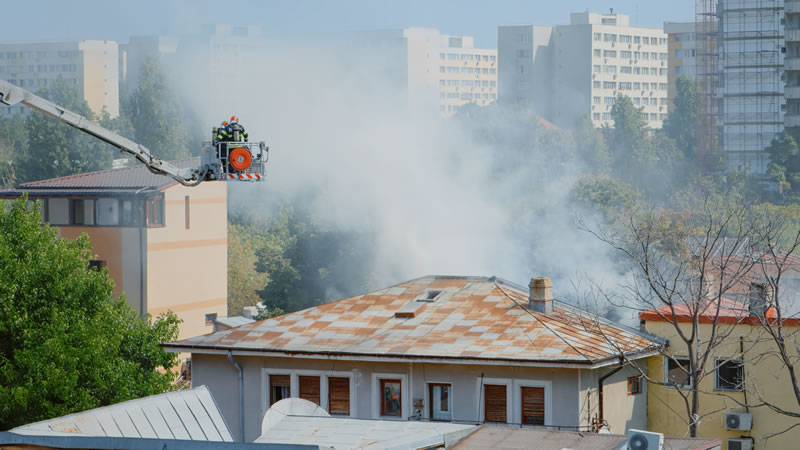
Drones equipped with high-resolution cameras and thermal imaging capabilities enable firefighters and rescue teams to gain valuable aerial assessment and situational awareness. They can quickly and safely survey the affected area, providing real-time visual data and thermal imagery that help identify hotspots, detect fire spread patterns, and locate trapped or injured individuals. This aerial perspective helps incident commanders make informed decisions, allocate resources effectively, and develop appropriate response strategies.
Search and Rescue Operations
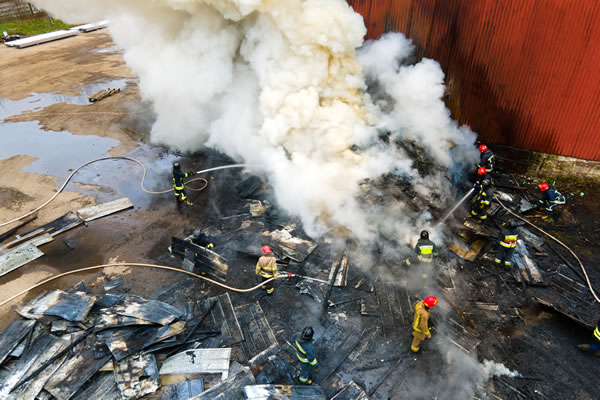
Drones equipped with cameras and specialized sensors can significantly enhance search and rescue operations. They can quickly cover large areas, access difficult-to-reach locations, and provide live video feeds to ground teams. Drones can assist in locating missing persons, particularly in areas with challenging terrain or limited visibility. They can also drop essential supplies such as medical kits or lifebuoys while rescue teams navigate the terrain.
Fire Monitoring and Safety
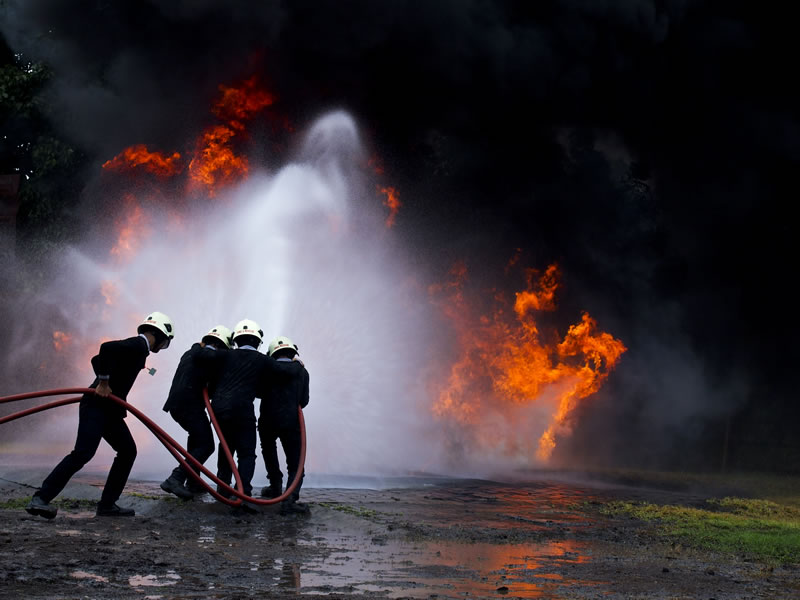
Drones equipped with thermal cameras can monitor active fires and help firefighters track fire behavior and progression. By identifying hotspots and areas with intense heat, drones can assist in directing resources to the most critical areas. Drones also allow continuous monitoring of fire conditions, helping assess the effectiveness of suppression efforts and improving firefighter safety. They can additionally help create 3D maps of fire scenes for post-incident analysis.
In summary, drones offer invaluable capabilities in firefighting and rescue operations. They provide aerial assessment, real-time situational awareness, and strong support for search, rescue, and fire monitoring. By leveraging these capabilities, emergency teams can improve operational efficiency and save lives.